



Make useful AI easier to put to work.
Client work keeps bringing us back to the same foundations: usable knowledge, connected tools, reusable skills, and a way to see what happened. Maslow AI-OS is our free starting point for that work, alongside the implementation help that makes it fit an organization.
Reduce the cost of AI adoption.
We want more of an implementation budget to go toward the work that is specific to your business. Maslow AI-OS brings a customizable Linux workspace into that effort. Our client work connects the information, systems, and review steps around a useful task. The OS is in development; client projects can start on the infrastructure you already have.
The decisions we build around
The lessons from client delivery shape Maslow AI-OS: make setup repeatable, keep useful knowledge accessible, and document how the work runs. A free workspace gives technical champions a place to start; an organization’s workflows still deserve their own design and validation.
Work directly with the founder.
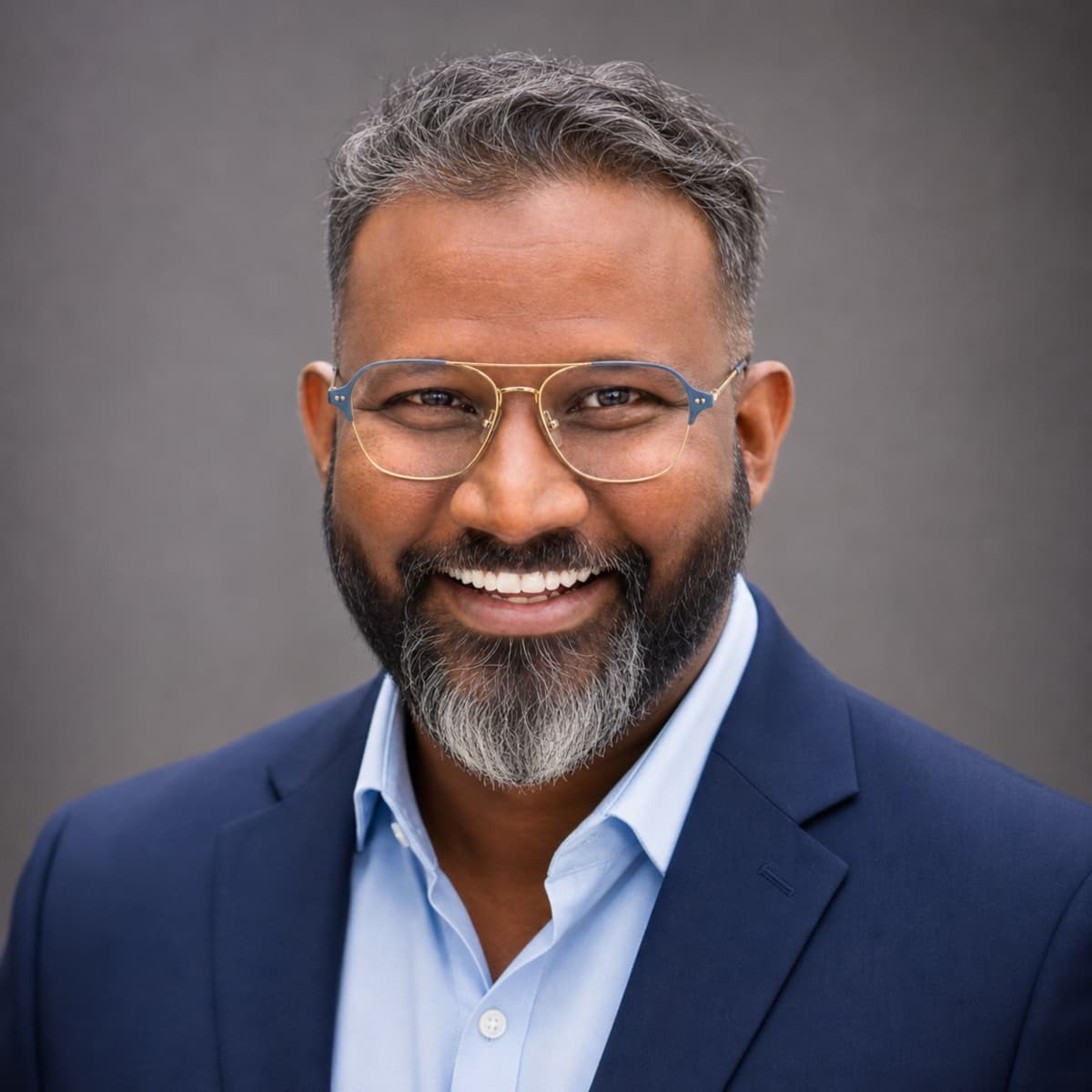
Rakesh spent more than twenty years in enterprise technology, including CIO and CTO roles at Expedia and Aurobindo Pharma. He owned the budgets, legacy systems, and board questions that come with large technology programs. He founded Maslow after repeatedly seeing critical know-how locked in a few irreplaceable people and projects priced beyond the reach of mid-market companies. Today he leads Maslow AI, building shared AI foundations and practical workflow systems with client teams.
You work directly with someone who has sat in your chair, on your side of the table.
For each engagement, Rakesh brings in specialist engineers from a small, trusted bench while retaining accountability for the work. Code, pipelines, skills, documentation, and status history are part of the engagement handover and agreed ownership terms. That makes the engagement less dependent on any one person's availability, including his.
Rakesh serves as Chief AI Officer at Rivalista, where the same operating model runs in a second industry, and writes about AI cognition.